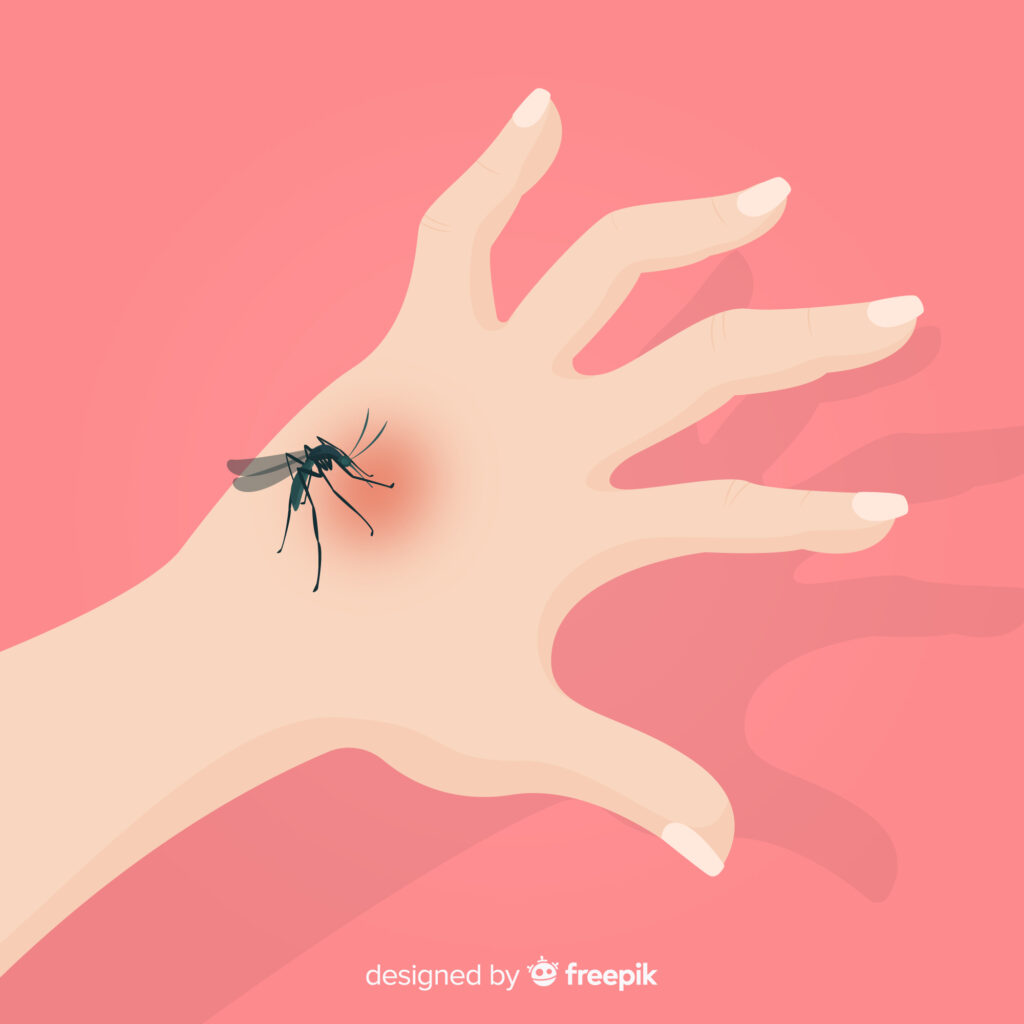
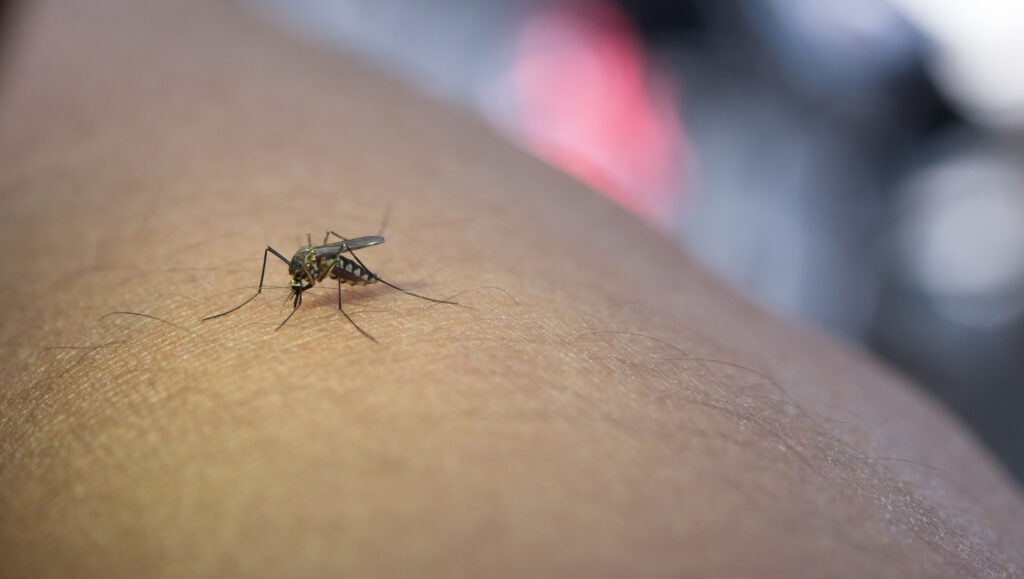
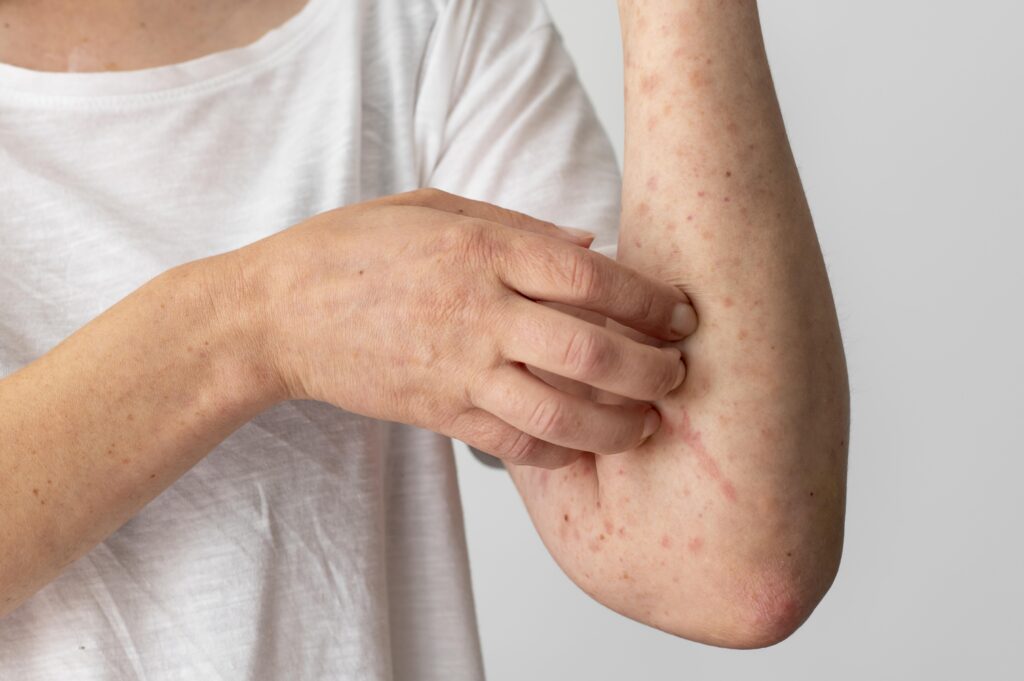
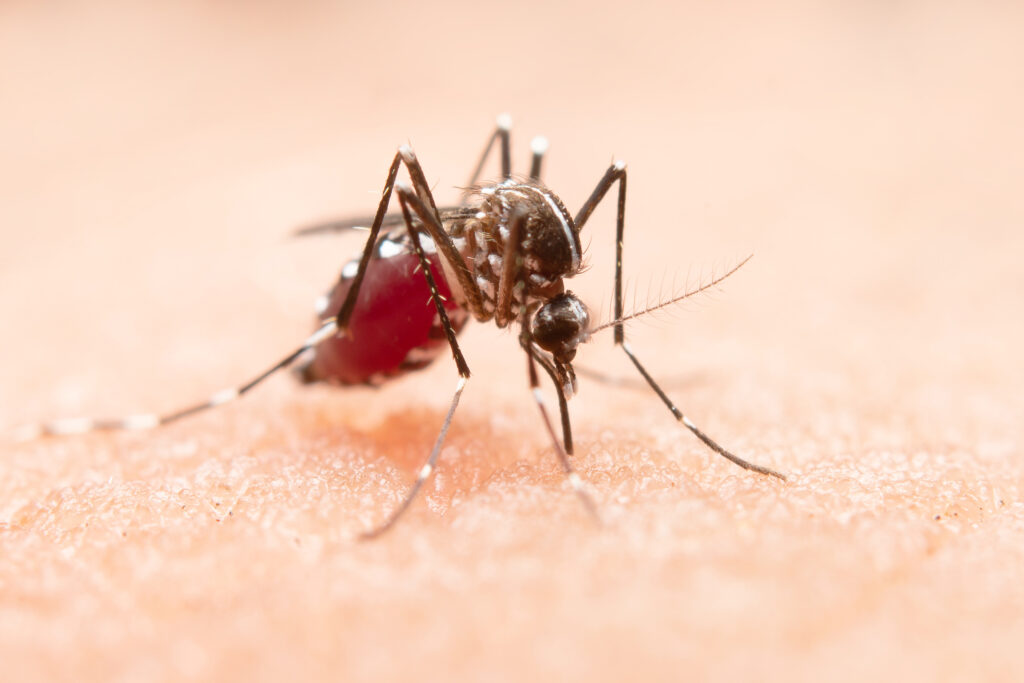
Malaria is a mosquito-borne infectious disease. The primary treatment for malaria involves the use of antimalarial medications, such as chloroquine, artemisinin-based combination therapies (ACTs), or other suitable drugs. The choice of medication depends on the type of malaria parasite and its drug resistance patterns.
Tuberculosis (TB)
TB is a bacterial infection caused by Mycobacterium tuberculosis. The standard treatment for TB involves a combination of antibiotics, typically isoniazid, rifampicin, pyrazinamide, and ethambuto. The duration of treatment is usually six to nine months, depending on the type of TB and the patient’s response.
Dengue
Dengue is a viral infection transmitted by mosquitoes. There is no specific antiviral treatment for dengue, so the focus is on supportive care. Treatment involves managing symptoms, maintaining fluid balance, and providing pain relief. Severe cases may require hospitalization for close monitoring and intravenous fluids.
Typhoid fever
Typhoid fever is caused by the bacterium Salmonella Typhi. Antibiotics such as ciprofloxacin, ceftriaxone, and azithromycin are commonly used for the treatment of typhoid fever. It’s important to complete the full course of antibiotics to ensure eradication of the bacteria.
Chikungunya
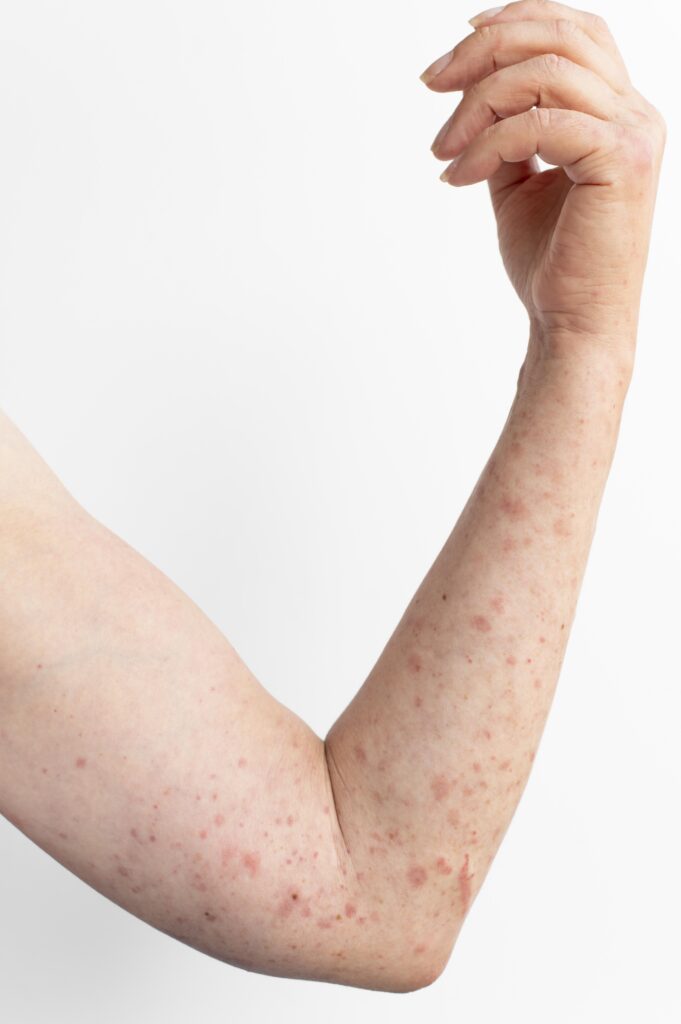
Chikungunya is a viral disease transmitted by mosquitoes. Treatment mainly focuses on relieving symptoms such as fever, joint pain, and rash. Rest, hydration, and over-the-counter pain relievers like acetaminophen are typically recommended.
Diabetes
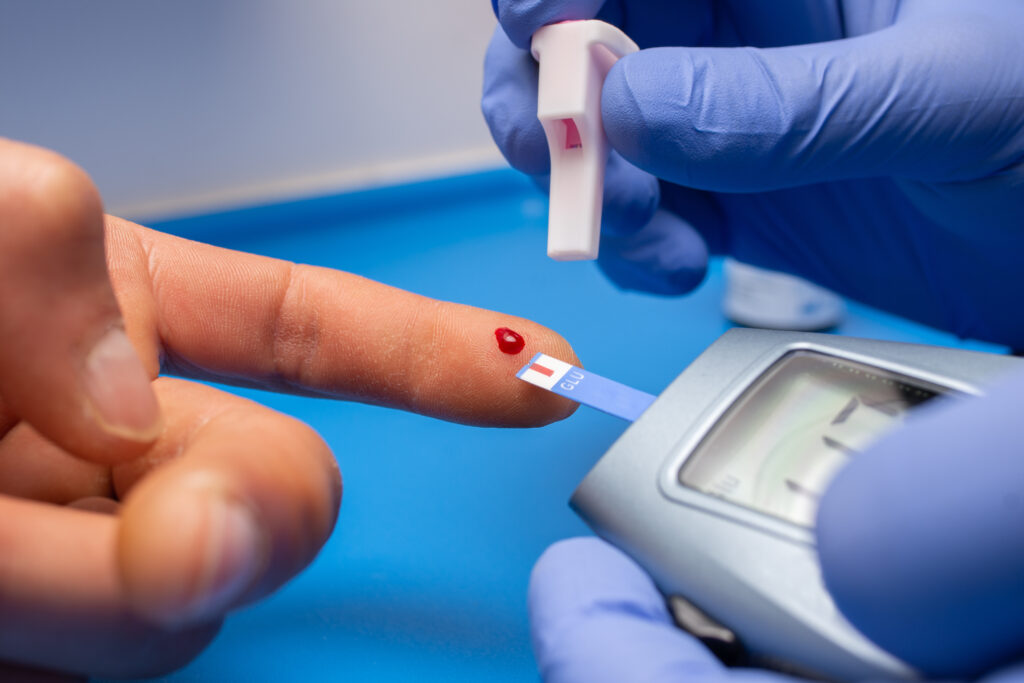
Diabetes is a chronic metabolic disorder. Treatment involves lifestyle modifications, such as a healthy diet, regular physical activity, and weight management. In addition,medication (such as oral antidiabetic drugs or insulin injections) may be prescribed to control blood sugar levels.
Cardiovascular diseases
Cardiovascular diseases, including coronary artery disease and hypertension, are commonly treated with a combination of lifestyle changes, medications (such as statins, antiplatelet drugs, and antihypertensives), and, in some cases, surgical interventions like angioplasty or bypass surgery.
Aids Disease
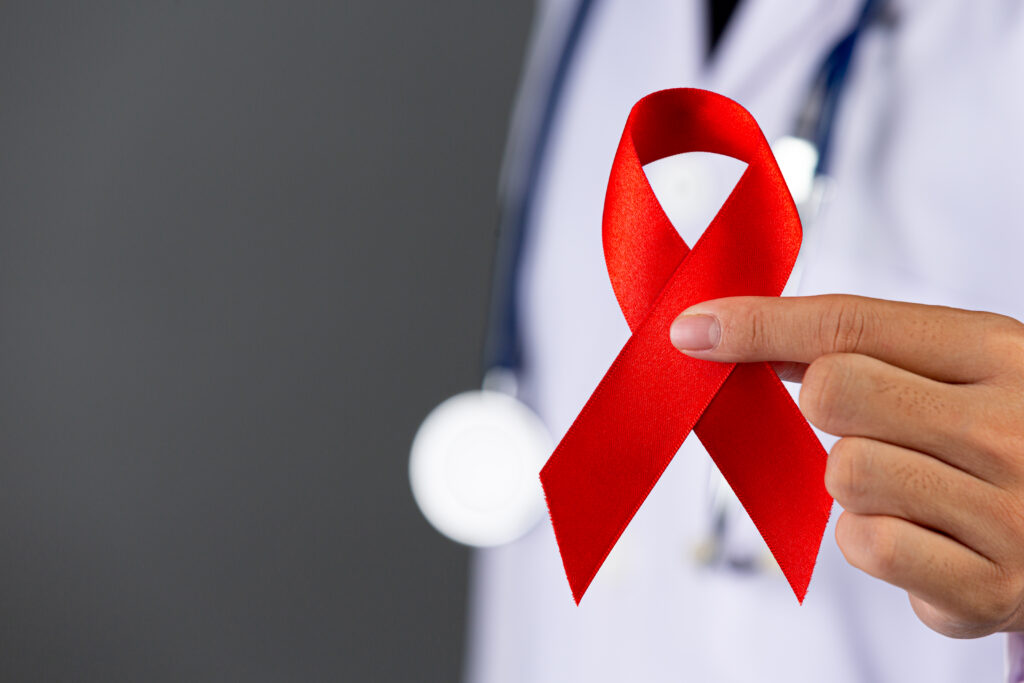
AIDS (Acquired Immunodeficiency Syndrome) is a chronic and potentially life-threatening condition caused by the human immunodeficiency virus (HIV). It weakens the immune system, making individuals susceptible to infections and diseases. HIV spreads through unprotected sex, contaminated blood transfusions, sharing needles, and mother-to-child transmission during childbirth or breastfeeding. There is no cure for AIDS, but antiretroviral therapy (ART) can slow down the progression of the disease and improve the quality of life for those infected. Prevention measures include safe sex practices, using sterile needles, and HIV testing.
Anaemia disease
Anemia is a condition characterized by a deficiency of red blood cells or a decrease in their ability to carry oxygen. It can result from various causes, including iron deficiency, vitamin B12 or folate deficiency, chronic diseases, or genetic disorders. Symptoms may include fatigue, weakness, pale skin, shortness of breath, and dizziness. Treatment depends on the underlying cause and may involve iron or vitamin supplements, blood transfusions, or addressing the root condition. Regular check-ups and a balanced diet can help prevent anemia.
Anthrax disease
Anthrax is a rare but serious bacterial infection caused by the spore-forming bacterium Bacillus anthracis. It can infect humans and animals. The infection can occur through inhalation, ingestion, or contact with anthrax-contaminated animal products. Symptoms depend on the type of infection but may include skin ulcers, flu-like symptoms, and respiratory distress. Anthrax can be treated with antibiotics if diagnosed early. Vaccination is available for individuals at high risk, such as laboratory workers and livestock handlers. Proper handling of animal products and adherence to biosecurity measures can help prevent anthrax transmission.
Blindness disease
Blindness refers to a complete or partial loss of vision. It can be caused by various factors such as eye diseases (e.g., glaucoma, cataracts), injuries, genetic conditions, or systemic diseases like diabetes. Visual impairment can significantly impact daily functioning and quality of life. Treatment options include corrective lenses, medication, surgery, or assistive devices. Regular eye examinations, healthy lifestyle choices, and safety precautions can help prevent certain causes of blindness.
Cancer Neoplasm disease
Cancer, also known as neoplasm, refers to the uncontrolled growth and spread of abnormal cells in the body. It can affect various organs and tissues. Risk factors include genetic predisposition, exposure to carcinogens, lifestyle choices, and certain infections. Symptoms and treatment options depend on the type and stage of cancer but may include surgery, radiation therapy, chemotherapy, targeted therapy, immunotherapy, or a combination of these. Early detection and adopting healthy habits can help prevent some types of cancer.